



Kathmandu – Gender-based stereotypes, generalizations according to which specific characteristics are linked to an individual’s gender, have always influenced the aspirations of young girls across the world, underestimating their true potential and also fostering justification for psychological abuse and mistreatment. In Nepal, where society is extremely patriarchal, the female condition is even more complicated. Freedom of action and expression for young girls is considerably curtailed.
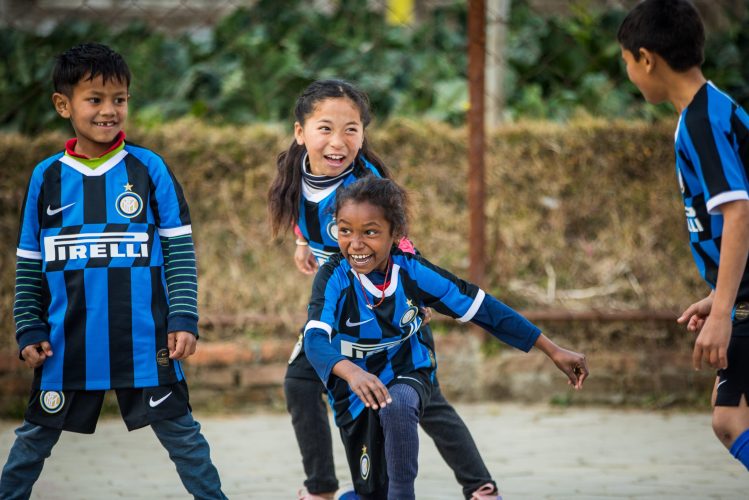
Apeiron ODV has for years contributed to the creation of a world where women and men, girls and boys, can benefit from equal dignity and opportunities. About a year and a half ago, the meeting with Inter Campus led to the opening of the 30th Nerazzurri social project with the objective of none other than using the power of sport to combat gender-based discrimination.
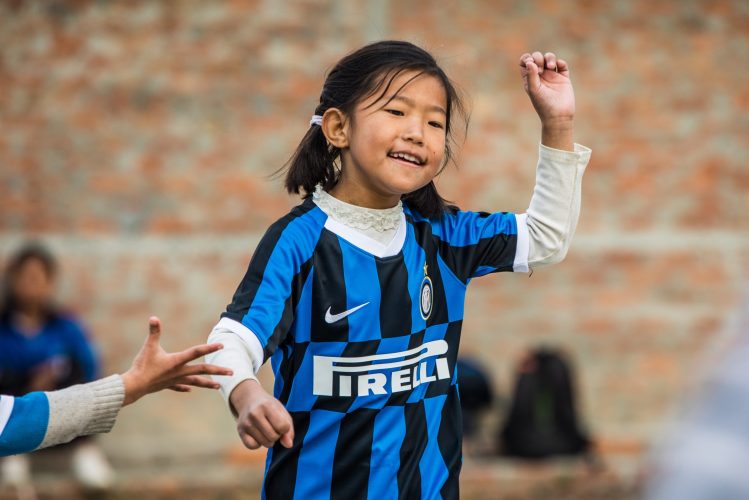
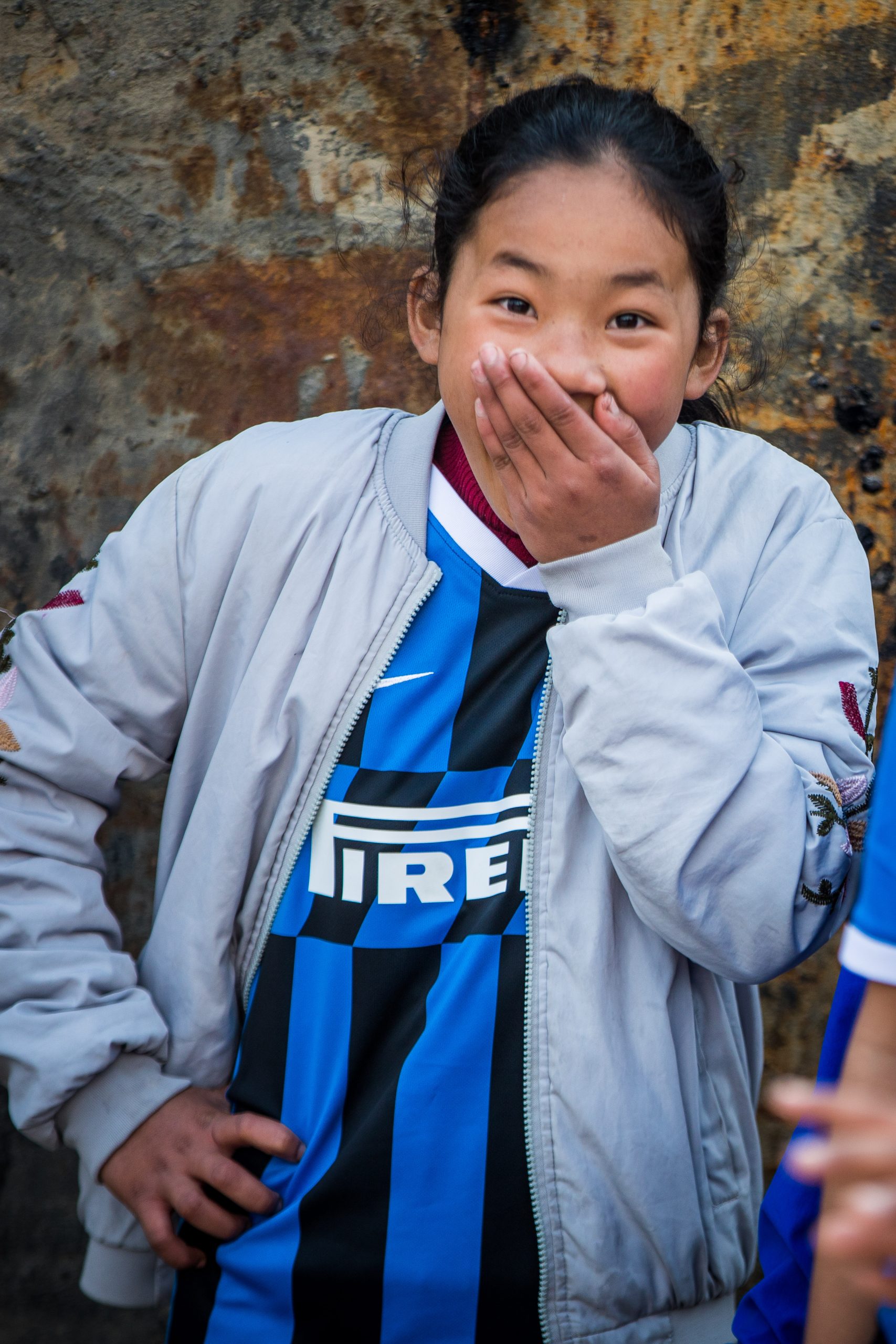
Since Ozni, a seven-year-old who attends Beersheba elementary school on the western outskirts of Kathmandu, started regularly attending training sessions with Inter Campus, she hasn’t just improved her coordination… but has also seen her self-confidence grow enormously. Her schoolteachers have also noticed this change, now that both she and her good friend Sandhya, who also takes part in the project, often ask questions in class. Ozni’s father told us that he had never thought that football could also be for women, let alone that his daughter could be interested in it.
For Ozni and Sandhya, as for many other girls, every match, every shot on goal, every game played together with their friends, represents an important step towards overcoming those cultural stereotypes that still characterize Nepalese society and beyond.
In 2011, the Nepalese Census on Population and Health revealed that in Nepal, 1 in 5 women of reproductive age (15-49 years) has suffered at least one instance of physical violence during their lifetime, and more than 1 in 10 has been a victim of sexual violence. According to another study from 2014, almost 1 in 2 adolescents believes that women should tolerate violence to maintain family harmony; 1 in 6 married women has suffered physical violence, and 1 in 3 has been forced at least once to have sex with their husbands against their own will[1].
[1] Source: CASANEPAL, A Protected Structure in the Heart of Kathmandu, by Apeiron ODV, pp. 7-8.