
Capajebo (from Cyrillic), Saraj (from Jewish), Saraybosna (from Turkish), or simply Sarajevo. The Ottoman architecture of the old town gives way to the Habsburg architecture of the new center. Slavic, Turkish, and Mediterranean physiognomies cross paths in the alleys. Muslim, Christian, and Jewish traditions. The public housing marked by mortar fire from the two surrounding hills clashes with the Western trends of bright shopping centers. A unique place, of which Inter Campus has been a part for over 20 years. People notice us walking through the narrow streets of the old quarter and ask us about Džeko: a role model and icon for Bosnians, but especially for our children. Unlike him, they fortunately did not experience the period of conflict in the late 90s.
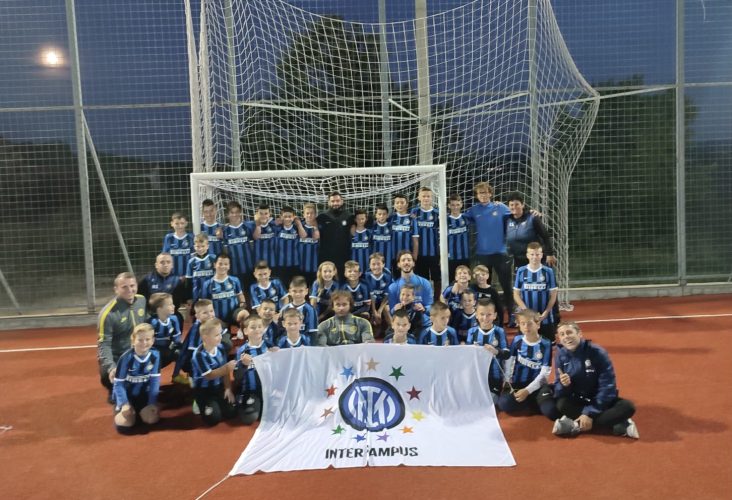
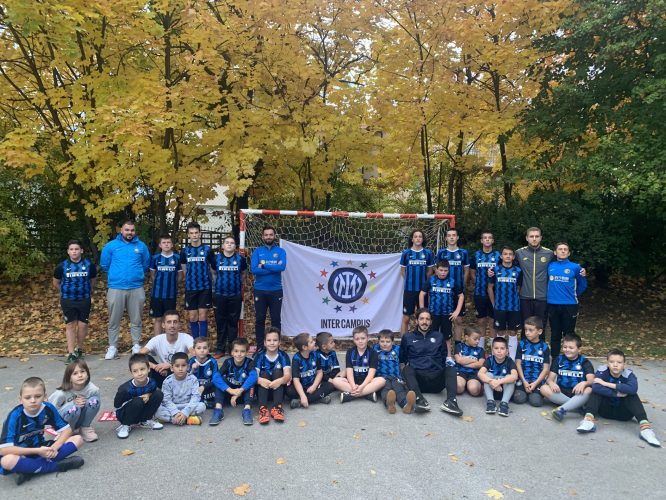
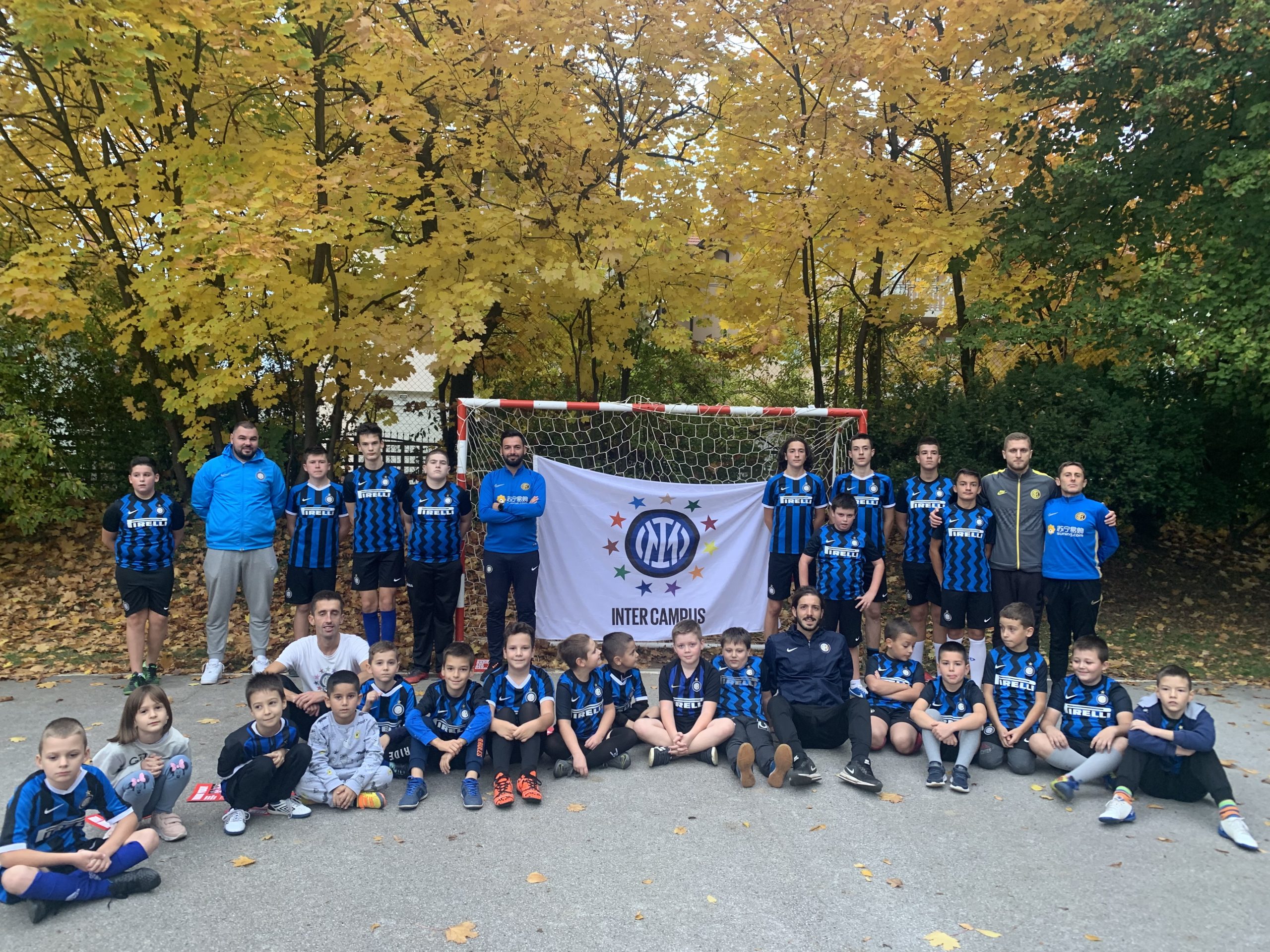
The project in Bosnia and Herzegovina was born in those years, with the aim of using the game of football to break down barriers and promote the process of reconciliation between people groups. In the capital today, Inter Campus is active with a project led by Rados and Anes, one of Orthodox faith and the other Muslim, who together manage two groups of children.
We travel by car from Sarajevo south, towards Mostar. Bell towers of Catholic and Orthodox churches alternate with mosque minarets. The city is divided into East and West, the Christian-Catholic part in the modern district and the Bosnian-Muslim part in the old town (a UNESCO World Heritage site). The famous bridge on the border traced by the emerald green Neretva river.
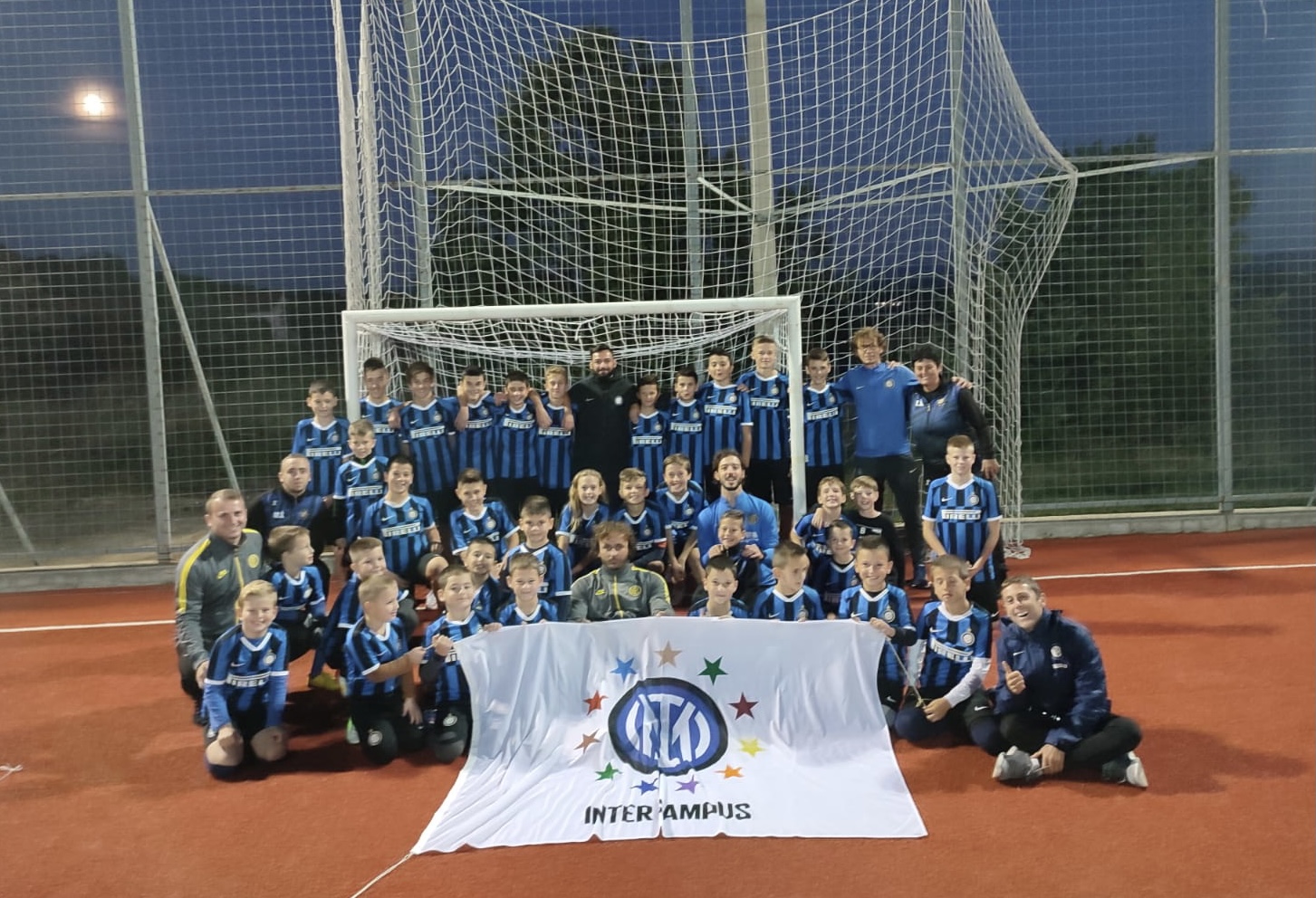
In the nearby village of Domanovici, children play under the guidance of Josip, Ivan, and Mirko. During their training sessions, the intensity and involvement create an alchemy that sounds like music; the voices of the coaches—including Alin, a local Romanian coach who voluntarily arrived from Ramnicu Valcea—mark the rhythm like orchestra conductors.
The Inter Campus celebration is underway!